Pitless Elevators Transform Urban Vertical Transport

 English
 Español
 简体中文
简体中文
 Русский
 Árabe
Árabe
 Français
 Deutsch
 Português
 日本語
日本語
 한국어
한국어
 हिंदी
हिंदी
 Prancis
 Türkçe
 Tiếng Việt
 Italiano
 ไทย
ไทย
Pitless Elevators Transform Urban Vertical Transport
February 25, 2026
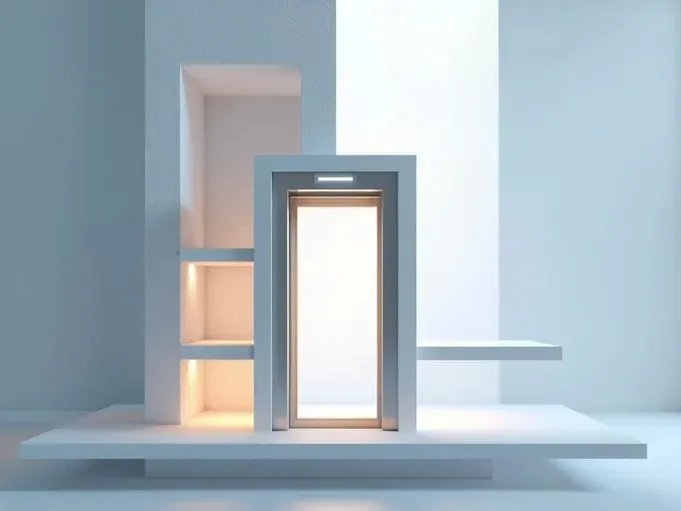
Have traditional elevator installations with their complex civil engineering requirements discouraged you from adding vertical transportation to your building? Have you struggled with insufficient space in existing structures to accommodate conventional elevator shafts? Pitless elevators are transforming vertical mobility with their unique advantages, offering architects and property owners innovative solutions that require minimal structural modifications.
Pitless elevators, also known as machine-room-less (MRL) elevators, eliminate the need for traditional deep pits at the base of elevator shafts. Conventional systems typically require excavation depths of 1.2 to 1.8 meters to accommodate safety components like buffers and braking devices. Pitless models integrate these elements into compact designs, either at the top of the shaft or within specialized compartments, significantly reducing or completely eliminating pit requirements.
This innovative approach makes pitless elevators particularly suitable for:
Building retrofits: Adding elevators to older structures often presents spatial and structural challenges. Pitless models minimize architectural disruption while reducing installation costs.
Space-constrained locations: In premium spaces like luxury homes, duplex apartments, or boutique retail spaces, pitless elevators preserve valuable square footage.
Challenging geological conditions: Areas with high water tables or rocky substrates benefit from installations that avoid deep excavations.
Pitless elevators employ three primary drive systems, each offering distinct advantages:
Hydraulic systems: Utilize compact hydraulic pumps and cylinders mounted along shaft walls or ceilings.
Traction systems: Feature gearless machines positioned atop shafts with counterweights placed behind or beside cabins.
Screw-driven systems: Incorporate rotating screw mechanisms within shafts for ultra-compact operation.
These systems share several technological innovations:
Miniaturized drive components with enhanced efficiency
Upper-mounted safety brakes
Alternative buffer systems using hydraulic, spring, or polyurethane mechanisms
Advanced control systems for precise leveling
The benefits of pitless elevator systems extend across multiple dimensions:
Space optimization: The most significant advantage lies in spatial efficiency, particularly valuable in urban environments where every square meter carries premium value.
Installation flexibility: Customizable configurations adapt to existing structures without major modifications, making them ideal for renovation projects.
Cost efficiency: Reduced civil works and simpler maintenance protocols lower both initial and ongoing expenses.
Performance characteristics: Modern systems deliver smooth operation with minimal noise and vibration.
Pitless elevators serve diverse settings:
Residential: Enhances accessibility in luxury homes and multi-level residences
Commercial: Improves customer flow in retail and hospitality venues
Institutional: Provides ADA-compliant access in hospitals and schools
Industrial: Facilitates material handling in warehouses
Prospective adopters should evaluate several factors:
Structural capacity: Buildings must support elevator loads without conventional pit reinforcements
Shaft dimensions: Specifications vary by model and manufacturer
Power requirements: Dedicated electrical circuits are typically necessary
Safety compliance: All installations must meet regional elevator codes
While pitless elevators feature simplified mechanics, regular professional servicing remains essential to maintain:
Drive system integrity
Safety mechanism functionality
Control system accuracy
When choosing a pitless elevator provider, consider:
Technical consultation capabilities
Custom design experience
Installation expertise
Service network coverage
Standard pitless elevator parameters include:
Capacity: 2-20 persons (270-1,600 kg)
Speed: 0.3-1.0 m/s
Travel height: Up to 30 meters
Power: 3.7-11 kW depending on model
latest company news
Mail Us



-
About
-
Screw Driven Elevator
-
Small Residential Elevator
-
Follow Us
Binhe Industrial Park, Huihe Street, Jiyang District, Jinan, Shandong, China
+8618654341166
ystelevator@yeah.net
-
Mail Us
China Good Quality Screw Driven Elevator Supplier. © 2025 - 2026 Shandong YST Elevator Co., Ltd.. All Rights Reserved.
